The solar plexus is one of the most talked-about and important parts of the human body, yet it’s often misunderstood. From medicine and anatomy to wellness and energy discussions, the solar plexus plays a major role in how we feel, move, and react. In simple terms, the solar plexus is a powerful nerve center located in the upper abdomen, just below the ribcage. It connects the brain to many vital organs and helps control both physical and emotional responses.
This detailed guide on the solar plexus is written in clear Grade 7 English, so it’s easy to read while still being accurate and trustworthy. By the end, you’ll understand what the solar plexus is, where it’s located, why it matters, and how to keep it healthy. Let’s dive in.
Solar Plexus Explained in Simple Words
The solar plexus is a large bundle of nerves found in the upper belly area. It sits behind the stomach and in front of the spine. Think of it like a busy control room where messages travel between your brain and your organs.
Doctors often call it the celiac plexus. However, the common name “solar plexus” comes from its shape. The nerves spread out like rays of the sun, which is how it got its sunny name.
In everyday life, the solar plexus helps with:
- Digestion
- Breathing reactions
- Stress responses
- Emotional sensations
That “butterflies in your stomach” feeling? Yep, that’s your solar plexus reacting.
Where the Solar Plexus Is Located in the Body
Understanding the location of the solar plexus makes it easier to see why it’s so important.
The solar plexus is located:
- Just below the breastbone
- Above the belly button
- Behind the stomach
- In front of the spine
If you place your hand right under your ribs in the center of your body, you’re very close to the solar plexus.
This central position allows the solar plexus to send and receive signals quickly, making it a key player in how your body reacts to different situations.
The Main Functions of the Solar Plexus
The solar plexus has several important jobs. It works quietly in the background, but without it, many body systems wouldn’t function properly.
Key functions include:
- Controlling digestive organs like the stomach, liver, and intestines
- Helping regulate blood flow in the abdomen
- Managing stress responses
- Supporting breathing patterns during emotional moments
When you feel sudden fear or excitement, your solar plexus reacts instantly. That’s why emotions often feel physical in this area.
Solar Plexus and the Nervous System Connection
The solar plexus is part of the autonomic nervous system, which controls actions you don’t consciously think about, such as digestion and heart rate.
It works closely with:
- The sympathetic nervous system (fight or flight)
- The parasympathetic nervous system (rest and digest)
When you’re stressed, the solar plexus becomes very active. When you’re calm, it helps your body relax and digest food properly. In short, the solar plexus helps balance your body’s reactions.
Solar Plexus Pain and Common Causes
Pain in the solar plexus area can be uncomfortable and sometimes scary. The good news is that most causes are treatable.
Common causes of solar plexus discomfort include:
- Indigestion or acid reflux
- Anxiety or stress
- Muscle strain
- Gas or bloating
- Direct injury or impact
A hit to the solar plexus can knock the wind out of you. That happens because the nerves temporarily disrupt breathing signals. It feels intense but usually passes quickly.
If pain is severe or long-lasting, medical advice should always be sought.
Solar Plexus and Emotional Health
The solar plexus is strongly linked to emotions. Many people feel emotional stress directly in this area of the body.
Emotional connections include:
- Confidence and self-esteem
- Fear and anxiety
- Personal power
- Decision-making
When someone says, “I had a gut feeling,” they’re often describing signals coming from the solar plexus. It’s a real mind-body connection, not just a figure of speech.
Solar Plexus in Energy and Wellness Beliefs
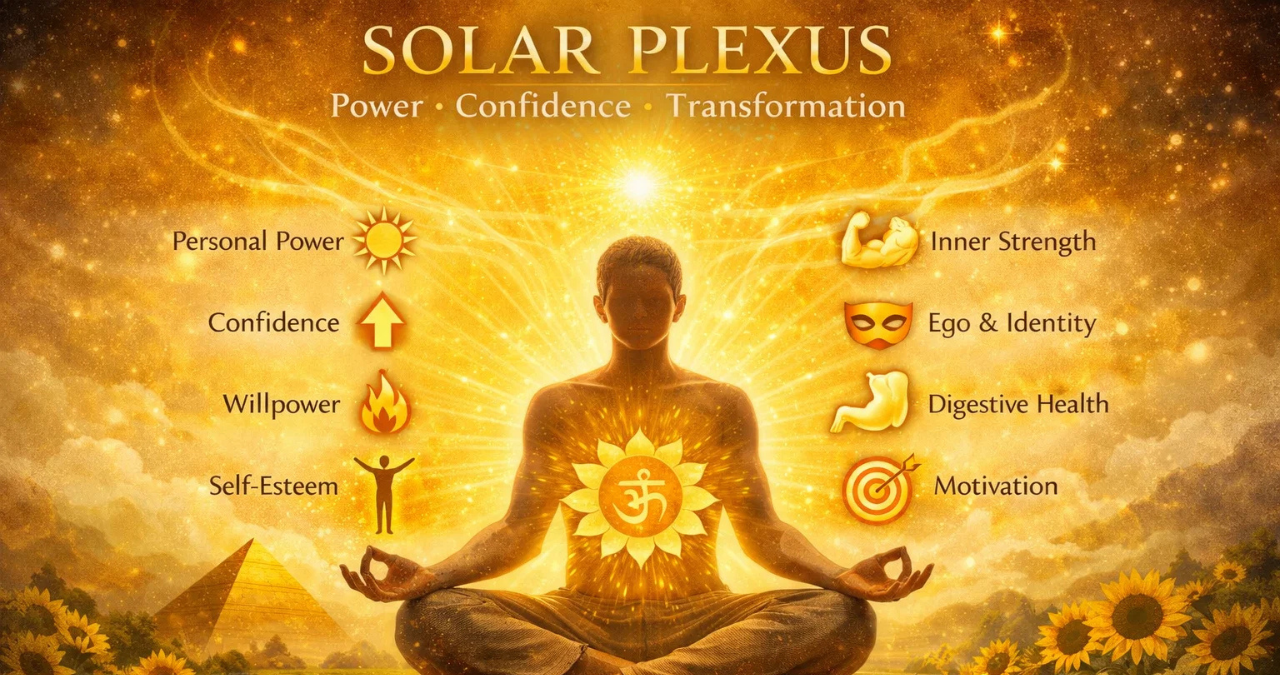
In wellness traditions, especially yoga and meditation, the solar plexus is associated with personal strength and inner power.
It’s often described as:
- A center of confidence
- A source of motivation
- A place of emotional balance
Practices like deep breathing, posture improvement, and mindfulness are believed to help keep the solar plexus calm and strong. While these ideas come from traditional beliefs, many people find them helpful for relaxation and focus.
How Stress Affects the Solar Plexus
Stress has a direct impact on the solar plexus. When stress builds up, the muscles and nerves in this area can tighten.
Effects of stress on the solar plexus include:
- Tight or knotted stomach feeling
- Shallow breathing
- Digestive problems
- Increased anxiety
Learning to manage stress through breathing exercises, regular movement, and rest can help protect the solar plexus and improve overall well-being.
Simple Ways to Support a Healthy Solar Plexus
Taking care of the solar plexus doesn’t require fancy tools or complicated routines. Small daily habits can make a big difference.
Helpful tips include:
- Eating slowly and mindfully
- Practicing deep belly breathing
- Maintaining good posture
- Managing daily stress
- Staying physically active
These habits support not just the solar plexus but the entire nervous system.
Solar Plexus and Breathing Techniques
Breathing deeply into the belly helps relax the solar plexus. This type of breathing sends calming signals to the nervous system.
A simple breathing method:
- Sit or lie down comfortably
- Place one hand on your upper belly
- Breathe in slowly through your nose
- Let your stomach rise
- Breathe out gently through your mouth
Doing this for a few minutes can ease tension and bring a sense of calm.
Medical View of the Solar Plexus
From a medical standpoint, the solar plexus is a major nerve network that supports essential body functions. Doctors pay close attention to this area during abdominal exams and surgeries.
Medical importance includes:
- Pain signal transmission
- Organ coordination
- Blood vessel regulation
Because it affects many organs, issues involving the solar plexus can sometimes cause symptoms in multiple parts of the body.
Solar Plexus Injury and Recovery
An injury to the solar plexus usually happens from a sudden impact, such as during sports or accidents.
Symptoms may include:
- Shortness of breath
- Sharp pain
- Temporary muscle spasm
Recovery tips:
- Rest and slow breathing
- Avoid intense activity for a short time
- Seek medical help if symptoms persist
Most minor injuries heal quickly with proper care.
Solar Plexus Facts at a Glance
| Feature | Details |
|---|---|
| Location | Upper abdomen, below ribs |
| Other Name | Celiac plexus |
| Main Role | Nerve signal control |
| Affects | Digestion, breathing, stress |
| Sensitivity | High |
| Medical Importance | Very high |
Common Myths About the Solar Plexus
There are many myths surrounding the solar plexus, especially online.
Common myths include:
- It’s only related to emotions
- Pain always means something serious
- It’s not medically important
In reality, the solar plexus is both physically real and medically significant. Emotional responses are just one part of its wide range of functions.
Why the Solar Plexus Deserves Attention
The solar plexus quietly supports daily life. From digestion to emotional reactions, it plays a behind-the-scenes role that’s easy to overlook.
When it’s healthy:
- The body feels balanced
- Digestion improves
- Stress feels more manageable
When it’s ignored, discomfort and tension can build up.
Final Thoughts on the Solar Plexus
The solar plexus is far more than just a spot in the stomach area. It’s a powerful nerve center that connects the brain, body, and emotions. Understanding how the solar plexus works helps us appreciate the body’s natural intelligence and resilience.
By paying attention to posture, breathing, stress levels, and overall health, we can support the solar plexus and improve daily comfort and confidence. In the end, taking care of the solar plexus is really about taking care of the whole self body and mind working together, just as they should.
The solar plexus remains a vital, fascinating, and essential part of human health, and learning about it is a step toward greater awareness and well-being.