

An emergency landing is one of those phrases that instantly grabs attention. It can sound scary, dramatic, and full of unknowns. Still, the truth is far more reassuring. In modern aviation and transportation, an emergency landing is a well-planned, carefully trained, and professionally managed procedure designed to keep people safe. Pilots, crew members, engineers, and emergency teams practice these situations again and again, so when something unexpected happens, they know exactly what to do.
This article explains emergency landing in simple, clear language. You’ll learn what it means, why it happens, how professionals handle it, and what passengers should know. By the end, you’ll feel informed, confident, and calm about the topic of emergency landing.
What Is an Emergency Landing?
An emergency landing happens when a pilot or driver must land or stop a vehicle earlier than planned due to an unexpected situation. This situation could involve safety, health, weather, or technical issues. The main goal of an emergency landing is protecting lives and reducing risk.
An emergency landing is not the same as a crash. In fact, most emergency landings end safely, with passengers walking away unharmed. The word “emergency” simply means that normal plans change for safety reasons.
Emergency landings can happen in:
- Airplanes
- Helicopters
- Spacecraft
- Even some large vehicles like ships or trains (using the same safety concept)
In aviation, an emergency landing is a controlled action, not a loss of control.
Why Emergency Landing Situations Happen
There are many reasons an emergency landing may be necessary. Some are minor, while others are more serious. What matters most is that crews are trained to respond quickly and wisely.
Common reasons for an emergency landing include:
- Medical emergencies involving passengers or crew
- Technical issues like engine warnings or sensor alerts
- Weather changes, such as storms or heavy fog
- Bird strikes affecting engines or windshields
- Smoke or unusual smells inside the cabin
- Low fuel warnings due to unexpected delays
Most of these issues are handled smoothly. Planes are built with backups, and pilots always have alternative airports in mind.
Types of Emergency Landing Explained Simply
Not all emergency landings are the same. Aviation experts usually talk about three main types. Understanding these makes the topic much clearer.
Precautionary Emergency Landing
This type happens when there is no immediate danger, but continuing the journey may not be safe. For example:
- A warning light appears
- Weather ahead looks risky
- A small system stops working
Pilots choose to land early just to be safe.
Forced Emergency Landing
A forced emergency landing happens when continuing to fly is not possible. This could be due to:
- Engine failure
- Severe damage
- Loss of key systems
Even then, pilots aim for the safest landing area possible.
Ditching Over Water
When an aircraft must land on water, it’s called ditching. This is rare, but crews train for it. Life vests, rafts, and emergency teams are part of the plan.
Emergency Landing vs Normal Landing
Many people confuse an emergency landing with a normal landing. Let’s clear that up.
| Feature | Normal Landing | Emergency Landing |
|---|---|---|
| Reason | Planned arrival | Safety concern |
| Stress level | Low | Managed but higher |
| Crew response | Routine | Special procedures |
| Passenger safety | High | Very high priority |
| Outcome | Smooth arrival | Usually safe landing |
An emergency landing simply means extra caution and preparation, not panic.
How Pilots Prepare for Emergency Landing Scenarios
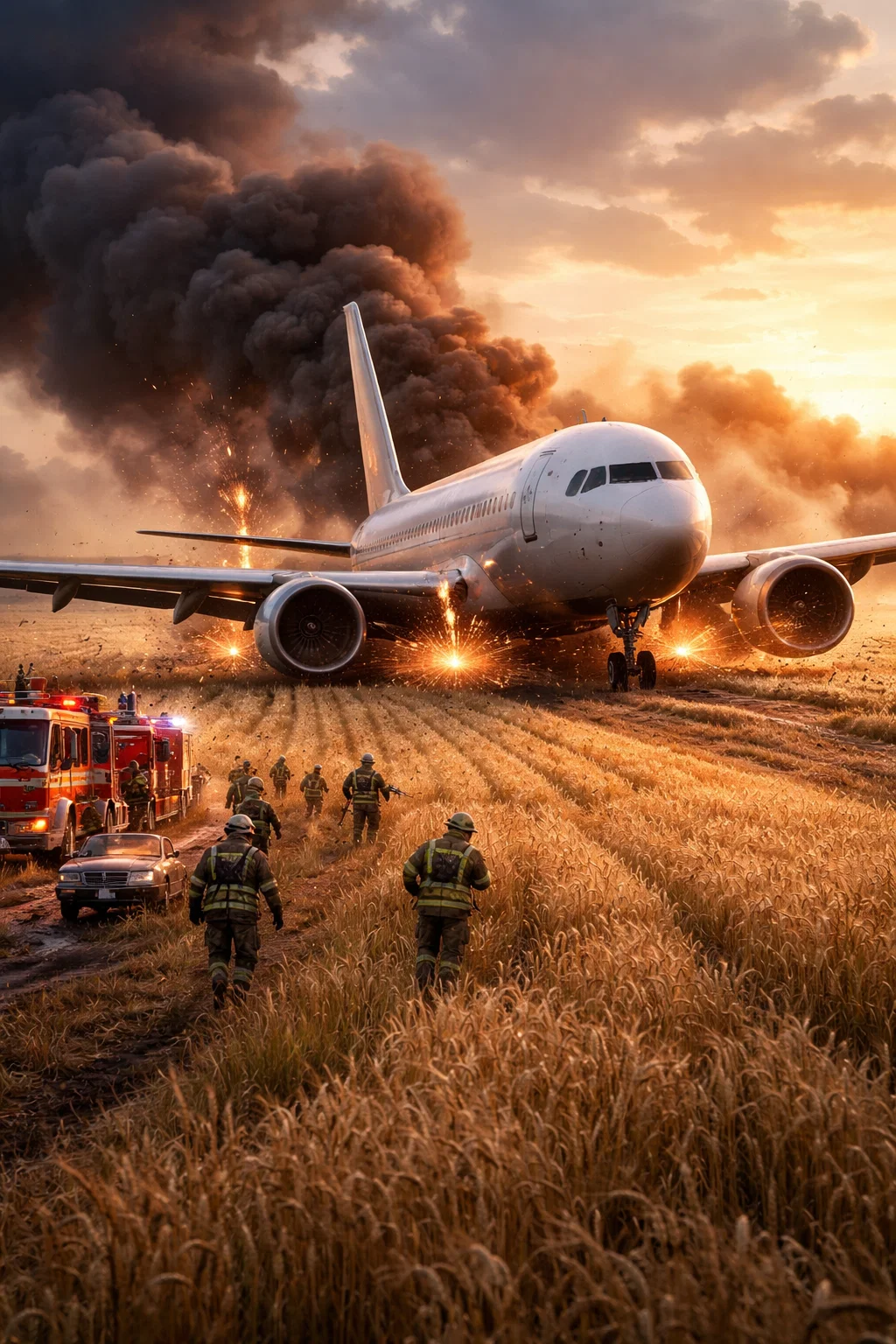
Pilots don’t rely on luck. Their training is detailed, strict, and ongoing. From the very first day, pilots learn how to handle emergency landing situations.
Pilot training includes:
- Flight simulators that recreate emergency landing conditions
- Step-by-step emergency checklists
- Communication practice with air traffic control
- Decision-making drills under pressure
Pilots are tested regularly. If they don’t meet standards, they don’t fly. This system builds experience, expertise, and trust in every emergency landing decision.
Role of Cabin Crew During an Emergency Landing
Cabin crew members are more than friendly faces. During an emergency landing, they become safety leaders.
Their responsibilities include:
- Keeping passengers calm and informed
- Demonstrating safety positions
- Securing the cabin
- Assisting children, elderly passengers, and people with disabilities
- Guiding evacuation if needed
When you hear firm instructions before an emergency landing, it’s not to scare you it’s to protect you.
What Passengers Should Do in an Emergency Landing
If you’re ever on a flight facing an emergency landing, your actions matter too. Staying calm and following instructions makes a big difference.
Helpful passenger tips:
- Listen carefully to crew instructions
- Keep your seatbelt fastened
- Put your phone away during instructions
- Use the safety position when told
- Leave belongings behind during evacuation
It might feel strange, but these steps are proven to save lives.
Emergency Landing Safety Equipment on Aircraft
Modern aircraft are packed with safety tools. Many passengers don’t notice them, but they are always ready.
Common emergency landing equipment includes:
- Seatbelts designed for strong impact
- Oxygen masks
- Life vests under seats
- Emergency slides
- Fire extinguishers
- First-aid kits
All of this equipment supports a safe emergency landing and is checked before every flight.
Communication During an Emergency Landing
Clear communication is the backbone of a successful emergency landing. Pilots, air traffic controllers, and ground teams work together like a well-oiled machine.
Key communication steps:
- Pilots report the issue immediately
- Air traffic control clears airspace
- Emergency crews prepare on the ground
- Cabin crew brief passengers
This teamwork ensures the aircraft lands where help is already waiting.
Emergency Landing Statistics and Reality
Media headlines can make emergency landings sound terrifying. The reality is much calmer.
- Thousands of emergency landings happen worldwide every year
- The vast majority end with no injuries
- Aviation remains one of the safest forms of travel
Thanks to strict rules and constant improvement, emergency landing outcomes keep getting better.
Famous Emergency Landing Stories That Ended Well
Some emergency landing events have become famous not because of tragedy, but because of skill and teamwork.
One well-known example involved a plane landing safely on a river after losing engine power. The crew’s calm thinking and training turned a crisis into a success story.
These events show that emergency landing procedures work when professionals follow them.
Emergency Landing in Other Types of Transport
While aviation is the most common place we hear the term, emergency landing ideas apply elsewhere too.
Other examples include:
- Helicopters landing in open fields
- Spacecraft returning early due to system alerts
- Ships making emergency docking
- Trains stopping due to safety warnings
In every case, the goal is the same: safety first.
How Technology Improves Emergency Landing Safety
Technology plays a huge role in making emergency landings safer than ever before.
Modern systems include:
- Advanced sensors that detect problems early
- Computer-assisted navigation
- Weather tracking tools
- Automatic emergency alerts
These tools give pilots more time and better information to make smart choices.
Emotional Side of an Emergency Landing
It’s okay to feel nervous about an emergency landing. That reaction is human. What helps is understanding that fear doesn’t mean danger is out of control.
Crews are trained to manage both the technical side and the human side of emergency landings. Calm voices, clear instructions, and professional behavior all help reduce fear.
After a safe emergency landing, many passengers say they feel proud, relieved, and grateful.
What Happens After an Emergency Landing?
Once an emergency landing is complete, the process continues.
After landing steps include:
- Medical checks if needed
- Aircraft inspection
- Passenger support and rebooking
- Official reports for safety review
These reports help improve future safety and training.
Myths About Emergency Landing
Let’s clear up some common misunderstandings.
- Myth: Emergency landing means the plane is about to crash
- Truth: It means the crew is being extra cautious
- Myth: Pilots panic during emergency landing
- Truth: Pilots follow training and checklists
- Myth: Emergency landings are rare because planes never have problems
- Truth: Planes are complex, but systems are designed to handle issues
Knowledge replaces fear every time.
Why Emergency Landing Procedures Build Trust
Emergency landing procedures exist because the aviation industry believes in preparation over luck. Every rule, checklist, and drill exists to protect people.
This commitment builds:
- Trust in pilots
- Confidence in airlines
- Safety for passengers
When you board a plane, you’re benefiting from decades of learning and improvement.
Emergency Landing and the Future of Safety
Looking ahead, emergency landing procedures will keep improving. New aircraft designs, better materials, and smarter systems will make already-safe travel even safer.
The focus remains clear:
- Early detection
- Faster response
- Better communication
- Stronger training
The future of emergency landing is steady, thoughtful, and optimistic.
Final Thoughts on Emergency Landing
An emergency landing may sound alarming, but it is actually a sign that safety systems are working as intended. It shows professionalism, preparation, and care for human life. From pilots and cabin crew to engineers and emergency teams, everyone plays a role in making emergency landing outcomes successful.
Understanding emergency landing procedures helps replace fear with confidence. It reminds us that when plans change, safety remains the top priority. The next time you hear the term emergency landing, remember this: it’s not about danger taking over it’s about trained people stepping up, doing their jobs, and bringing everyone home safely.
You may also read
Beyonce Renaissance Tour: A Global Celebration of Music, Power, and Pure Joy