
Integrating fax capabilities with Epic Systems, a prevalent electronic health record (EHR) platform, has become a topic of interest as healthcare providers seek to maximize efficiency. In 2019, a study by the National Coordinator for Health Information Technology found that nearly 40% of all orders were still sent via fax. As technology evolves, there is a compelling case for modernizing how medical information is transmitted.
Considering the critical need for secure and efficient communication in healthcare, evaluating the role of fax technology is essential. Below, we’ll delve into the advantages of integrating fax services within Epic Systems and weigh them against the utility of traditional fax machines still in use across medical settings.
Fax Integration for Epic Systems: Streamlining Communication in Healthcare
Implementing fax integration for Epic systems significantly enhances the flow of information between healthcare providers. This integration means less manual data entry, reduced chances of error, and quicker access to patient information—a pivotal aspect in urgent care scenarios. fax integration for Epic systems
In one instance, a large health system reported a 50% reduction in the time taken to process incoming faxes after integrating fax solutions with their EHR. Automated routing and digitization of incoming faxes ensure critical health information reaches its destination faster and more securely than ever before.
For healthcare organizations considering this leap, it’s advisable to assess their specific needs. They should examine the volume of faxes they handle, the compatibility with their current systems, and the level of support offered by a potential fax integration service.
Traditional Fax Machines in Medical Settings: Assessing the Current Role
Despite the advancement in digital communication technologies, traditional fax machines maintain a foothold in healthcare settings. They offer a familiar, albeit outdated, method for transmitting sensitive information that some providers are hesitant to abandon.
A survey by HIMSS Analytics highlighted that nearly 75% of all communications exchanged in healthcare could be attributed to fax machines as of 2018. Their persistence is due to their perceived simplicity and the slow pace at which some institutions adopt new technologies.
Healthcare providers still relying on traditional fax machines should conduct a thorough review of their communication workflows. They need to understand the potential risks of breaches, address inefficiencies, and consider the regulatory implications of using such technology in the age of strict patient privacy laws.
Key Considerations When Choosing Between Epic System Fax Integration and Traditional Fax
Deciding between an integrated fax solution and traditional fax machines hinges on several critical factors. One of the primary considerations is the level of data security afforded by each option, with digital solutions often providing superior protection compared to analog counterparts.
Cost is another considerable element. While traditional fax machines involve ongoing expenses for supplies and maintenance, integrated solutions might necessitate a larger upfront investment but could lead to long-term savings and improved productivity. A detailed cost-benefit analysis is vital for making an informed decision.
Actionably, healthcare practices should weigh their communication requirements, the size and complexity of their operations, and their long-term strategic goals. They must also acknowledge the transition period that comes with implementing any new system and plan for staff training and support.
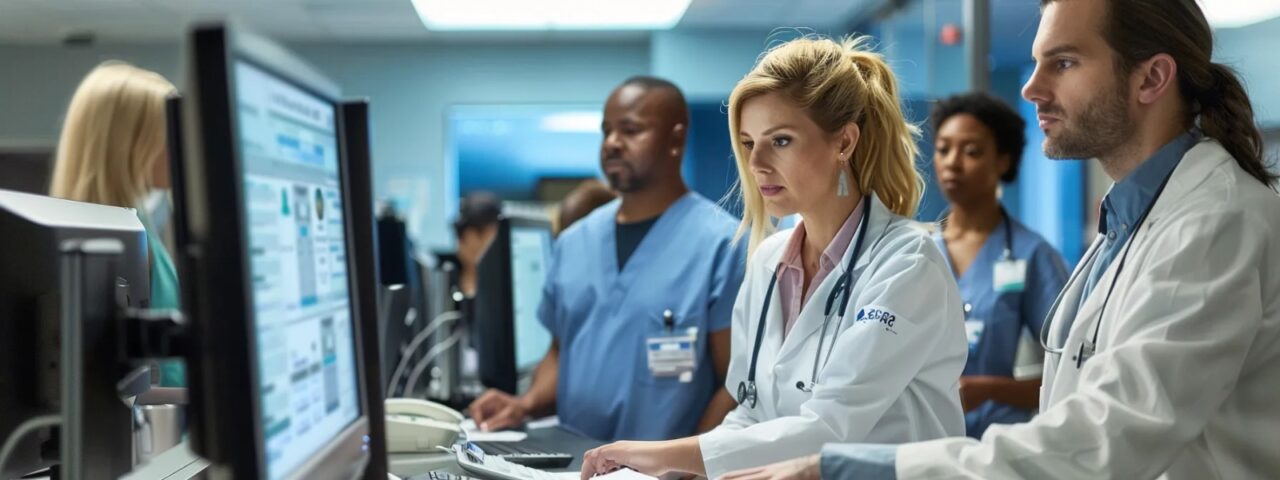
Analyzing the Impact on Workflow and Patient Care with Different Faxing Solutions
The choice of faxing solution can have a significant impact on healthcare workflow and the quality of patient care provided. An EHR-integrated fax solution can automate and streamline many administrative tasks, freeing up staff to focus more on patient care.
Fax integration enables better data management and reduces the likelihood of lost or misplaced faxes, which is critical in maintaining up-to-date and accurate patient records. In contrast, manual faxing can lead to bottlenecks, increased errors, and potential patient privacy violations. Enhanced workflows thus translate directly into more timely interventions and better patient outcomes.
To ensure the optimal impact on workflow and patient care, healthcare organizations should perform an analysis of their current processes and identify potential areas of improvement. They may also benefit from seeking feedback from staff about what could become more efficient, ensuring that any new faxing solution aligns well with the needs and practices of the clinic or hospital.
Ultimately, the adoption of fax integration into Epic Systems offers a significant advancement over traditional fax machines, particularly in areas of efficiency, security, and patient care. While traditional faxes hold onto a legacy positon within the healthcare industry, it’s clear that the future leans towards seamless, digital communication platforms. By carefully evaluating their existing workflows and communication needs, healthcare providers can make a strategic transition to more modernized solutions that will benefit both their operations and their patients.